
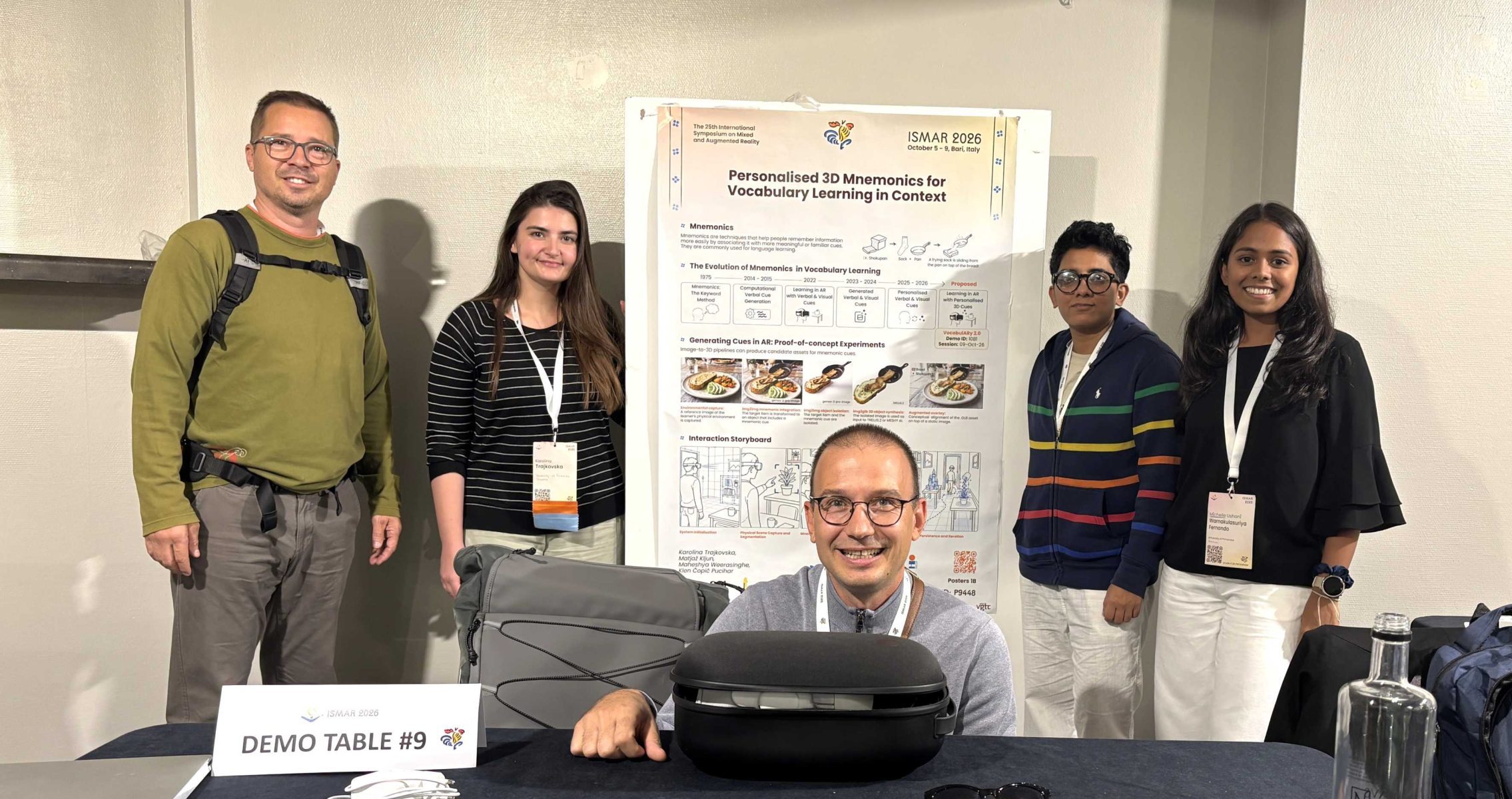
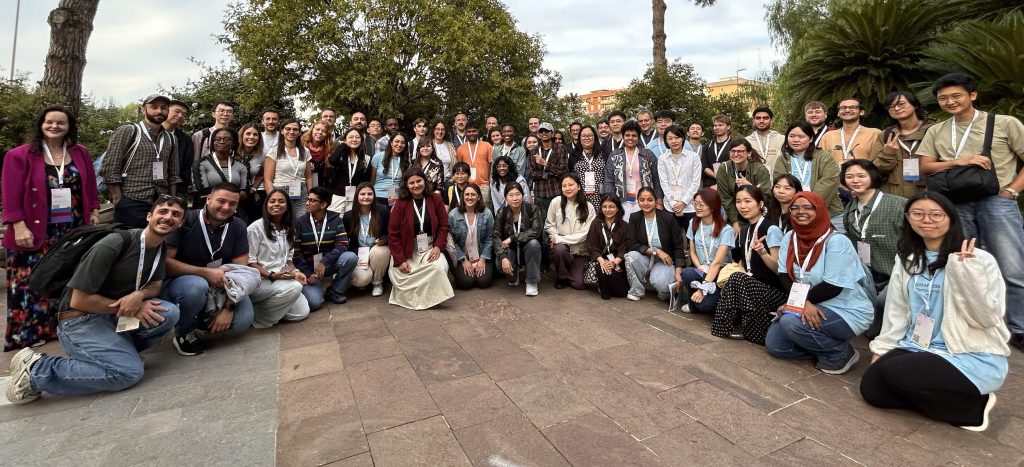
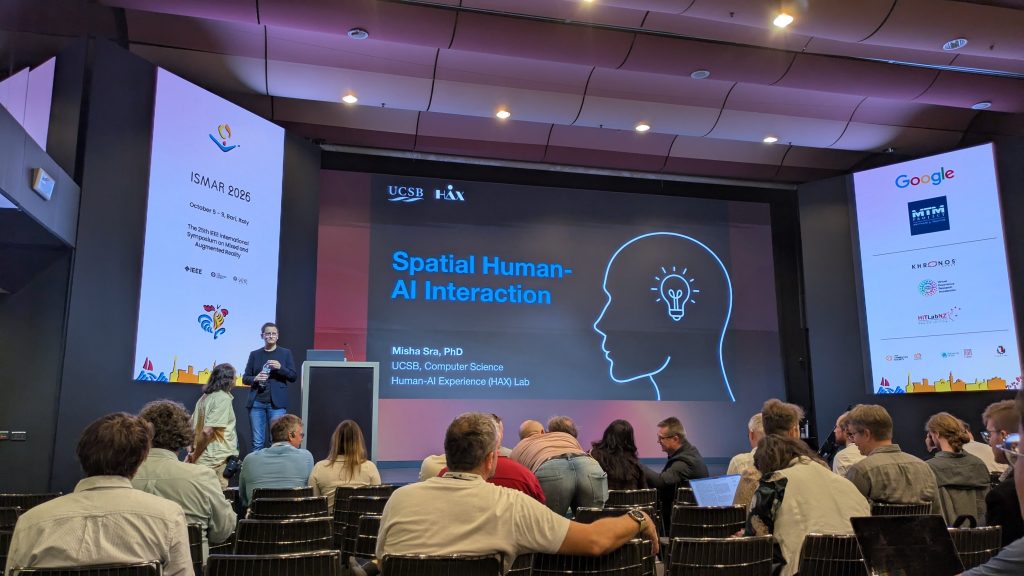
HICUP Lab participated in the 25th IEEE International Symposium on Mixed and Augmented Reality (ISMAR 2026), held from 5–9 October 2026 at The Nicolaus Hotel in Bari, Italy.
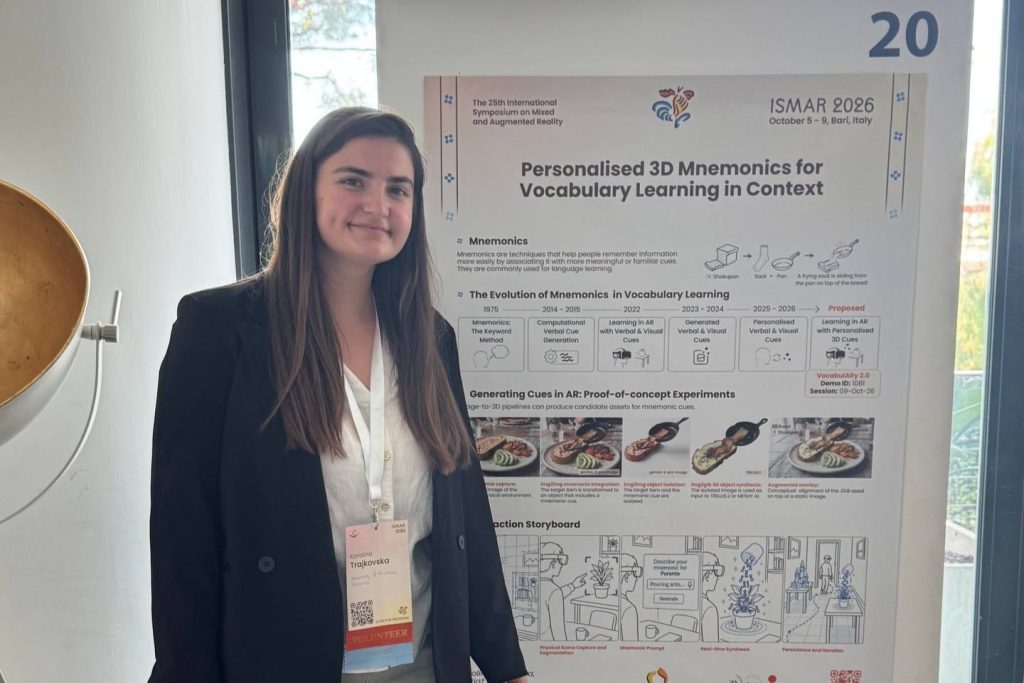
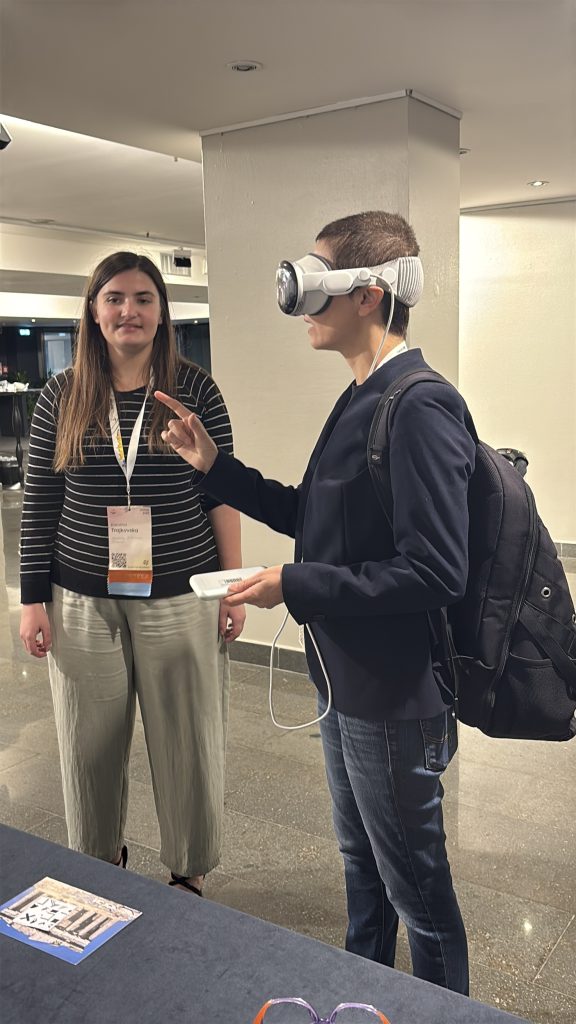
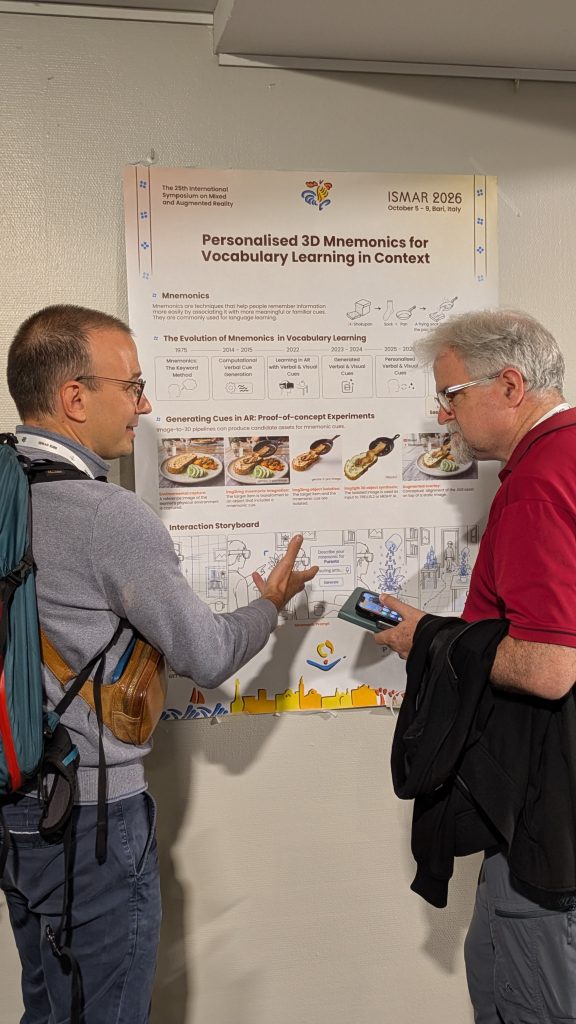
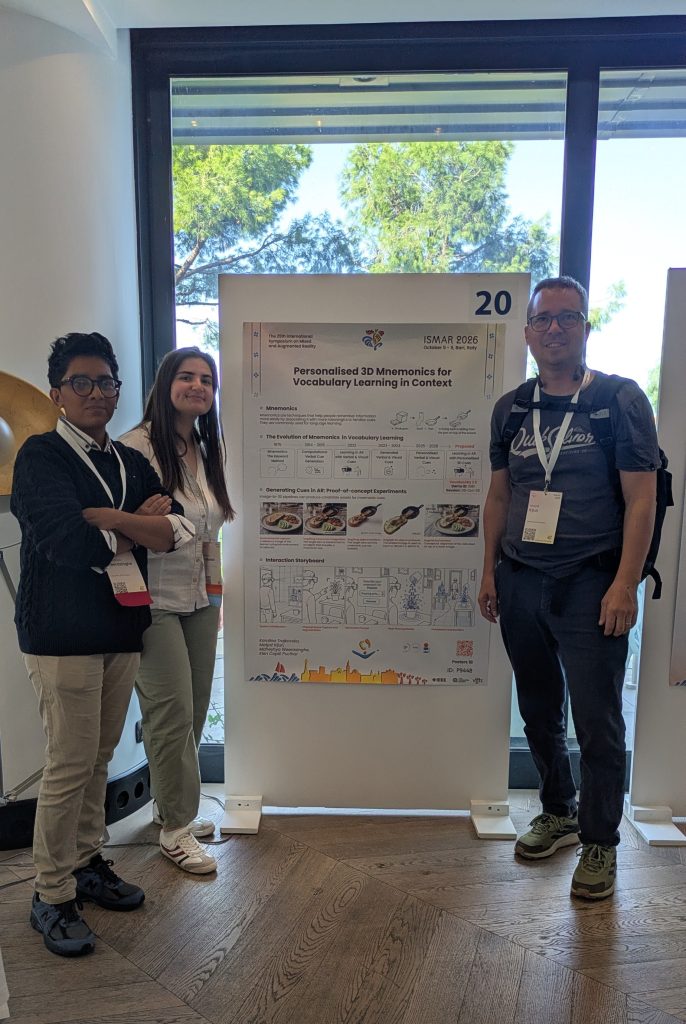
Karolina Trajkovska presented a poster paper and a demo, both co-authored with Klen Čopič Pucihar, Matjaž Kljun, and Maheshya Weerasinghe. Karolina also contributed to the conference as a student volunteer.
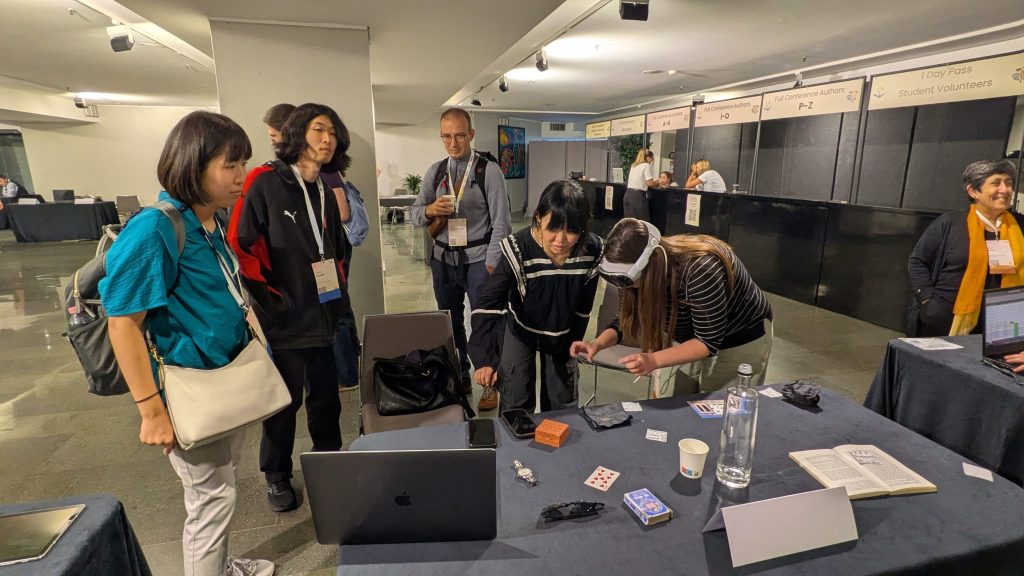
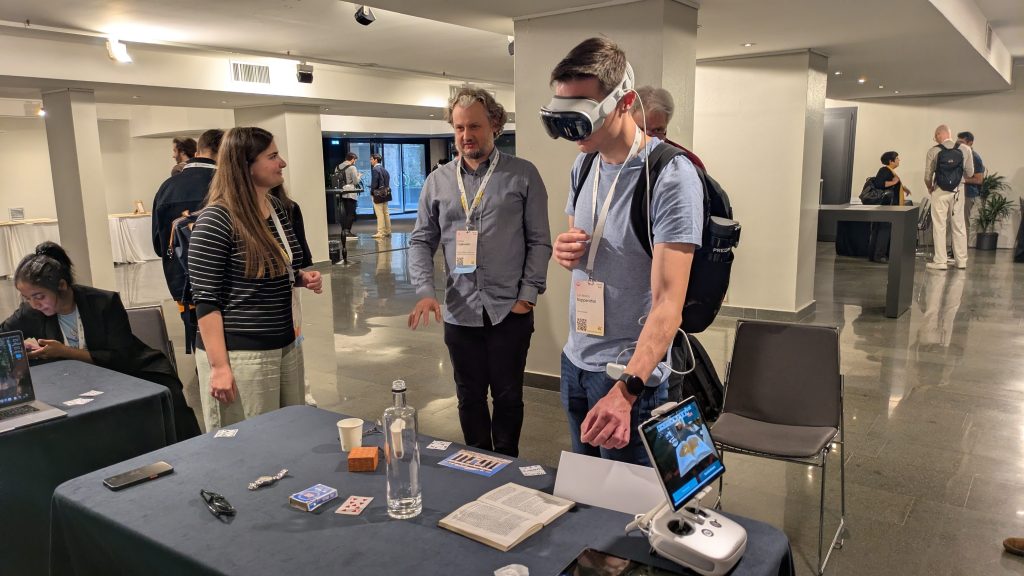
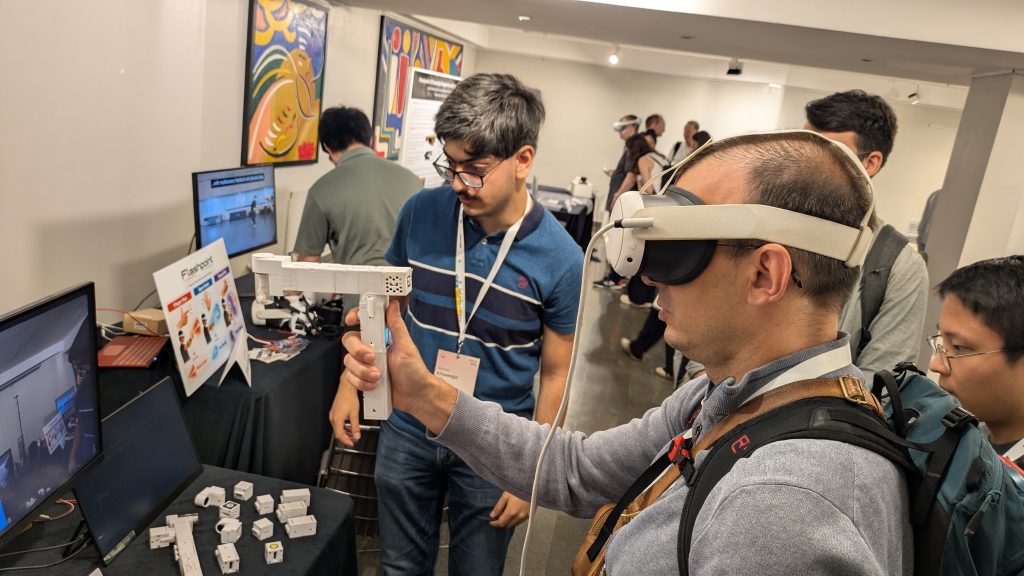
Our poster and demo attracted many conference attendees, who stopped by to try out the demo and discuss the work with the team. It was a great opportunity to share our research, hear different perspectives, and connect with the ISMAR community.
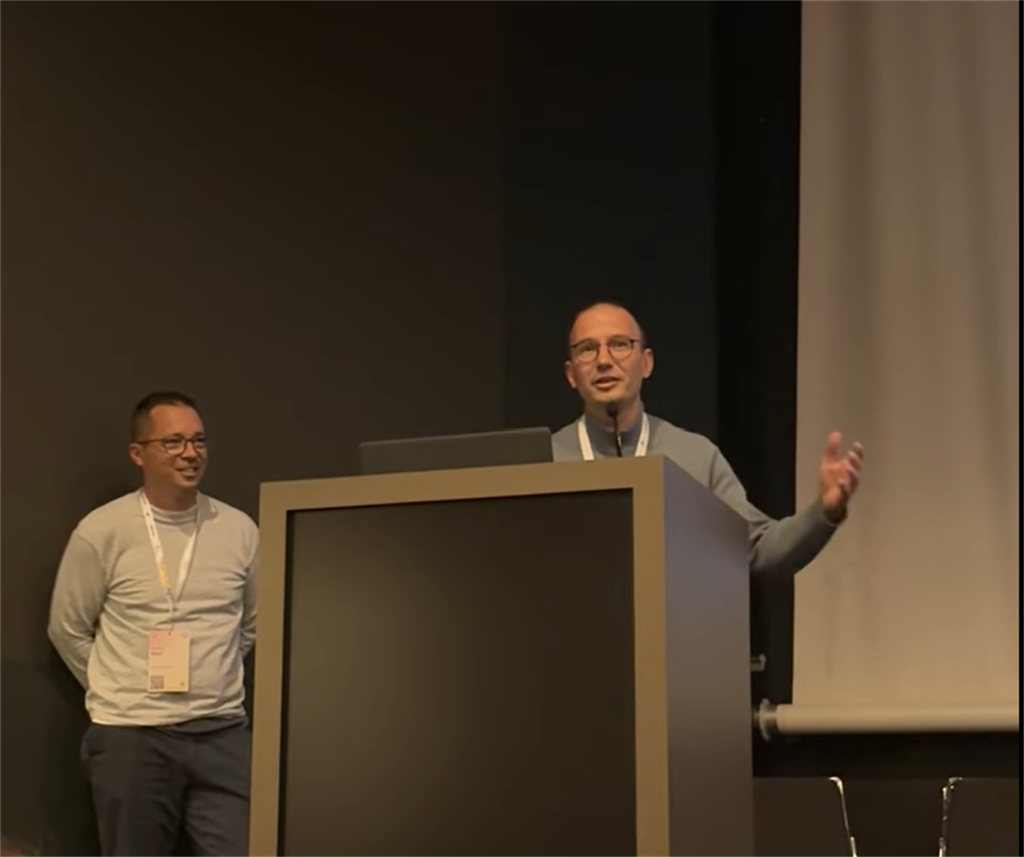
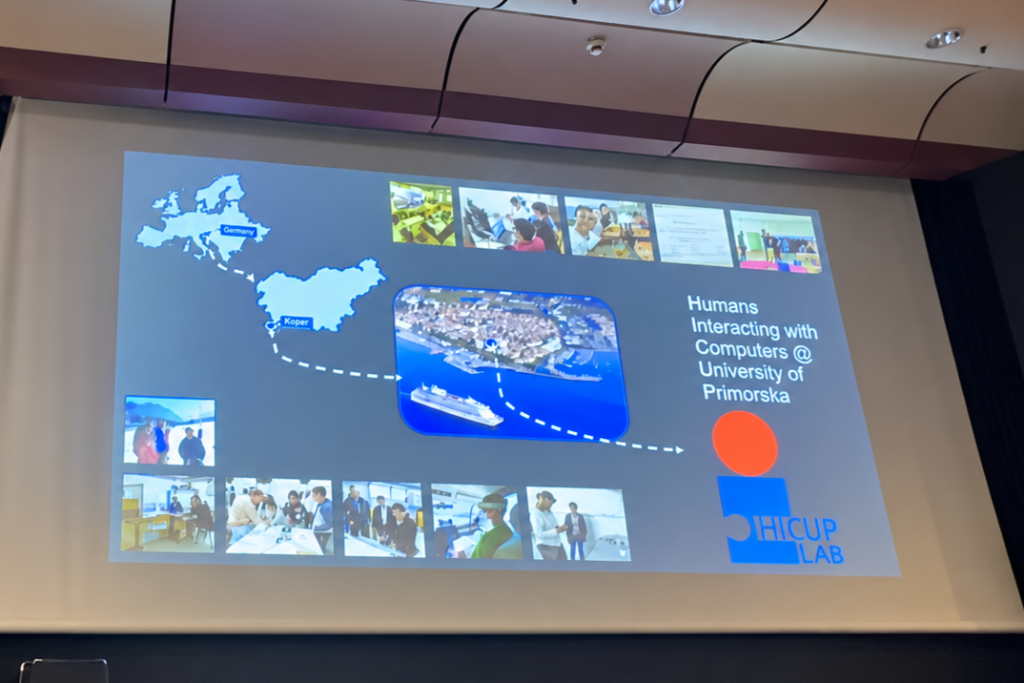
Lab co-directors Klen and Matjaž also introduced HICUP Lab during the “Pitch Your Lab” session, sharing an overview of the lab and its research with the conference community.
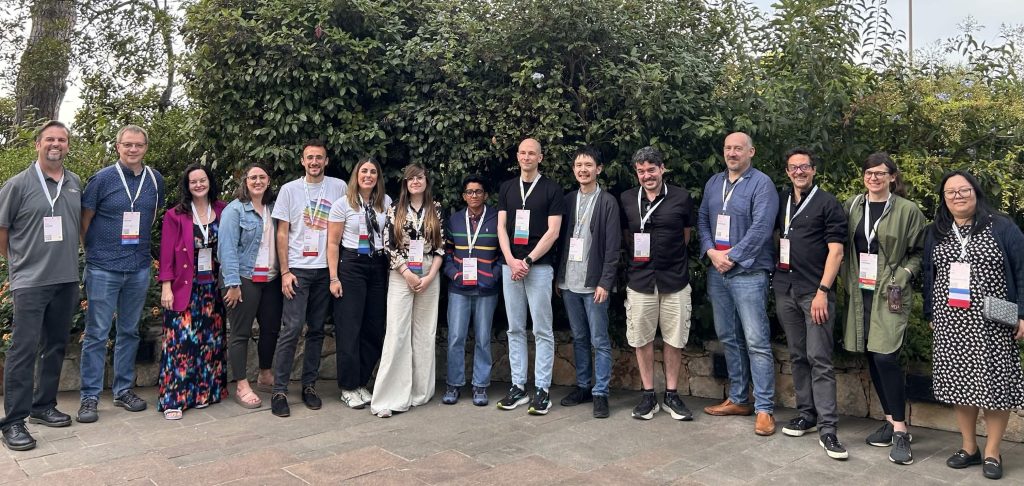
Maheshya contributed as one of the mentors in the conference’s Speed Mentorship session, offering advice to student attendees.
Poster Paper: Personalised 3D Mnemonics for Vocabulary Learning in Context. [video]
Abstract:
Augmented reality (AR) can support vocabulary learning by placing mnemonic cues in the physical contexts where new words are encountered. Prior work has augmented real objects with bilingual labels, audio, keywords, and 3D visualisations of those keywords interacting with the objects, but these cues are typically predefined by system designers. This limits scalability and reduces learners’ ability to construct personal mnemonic links. By grounding mnemonics in objects that learners already recognise, use, and associate with prior experiences, a system could connect new vocabulary to existing mental models rather than requiring learners to adopt designer-defined associations. We outline a proof of concept and a storyboard of a generative AR approach in which learners create personalised 3D mnemonics by transforming familiar objects in their surroundings into situated mnemonic anchors. We position this concept within a timeline of related work and argue that recent advances in generative 3D asset creation enable a new design point: personalised 3D mnemonics that do not merely place content in the physical learning environment, but modify familiar real-world objects so that they become part of the mnemonic itself.
Demo Paper: VocabulARy 2.0: A Generative AR System Enabling Personalised 3D Mnemonics for Vocabulary Learning in Context. [video]
Abstract:
Mnemonics support vocabulary learning by linking unfamiliar words to familiar concepts through memorable verbal and visual associations. We present a generative AR system that enables learners to create personalised 3D mnemonics by transforming familiar objects in their surroundings into situated mnemonic anchors. The system scans the environment, detects visible objects, and generates bilingual flashcards. After selecting a word, the learner describes a personal association. The system combines this description with an image of the selected object to generate a textured 3D model using generative AI. Learners can then place the model relative to the real object, transforming it into a situated mnemonic anchor.
Publications:
- Trajkovska, K., Kljun, M., Weerasinghe, M., & Pucihar, K. C. (2026). Personalised 3D Mnemonics for Vocabulary Learning in Context. In 2026 IEEE International Symposium on Mixed and Augmented Reality Adjunct (ISMARAdjunct).
- Trajkovska, K., Kljun, M., Weerasinghe, M., & Pucihar, K. C. (2026). VocabulARy 2.0: A generative AR system enabling personalised 3D mnemonics for vocabulary learning in context. In 2026 IEEE International Symposium on Mixed and Augmented Reality Adjunct (ISMARAdjunct)
(Links to the papers will be added here once the conference proceedings become publicly available.)
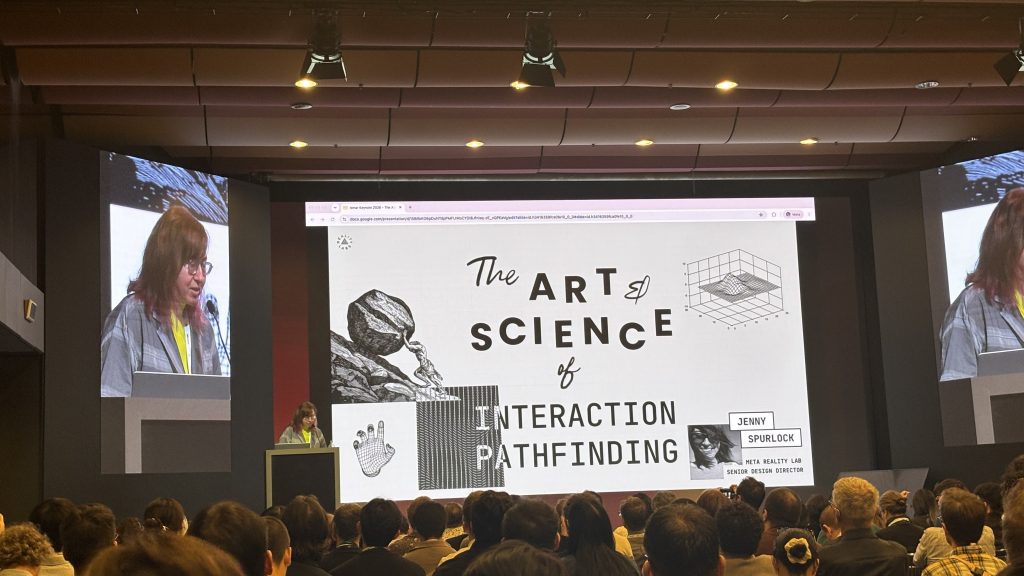
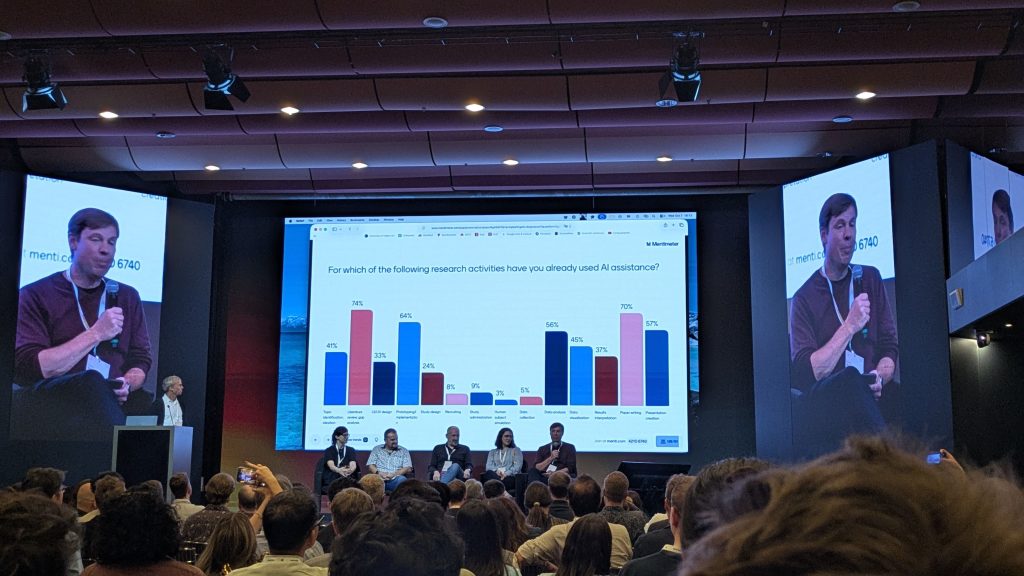
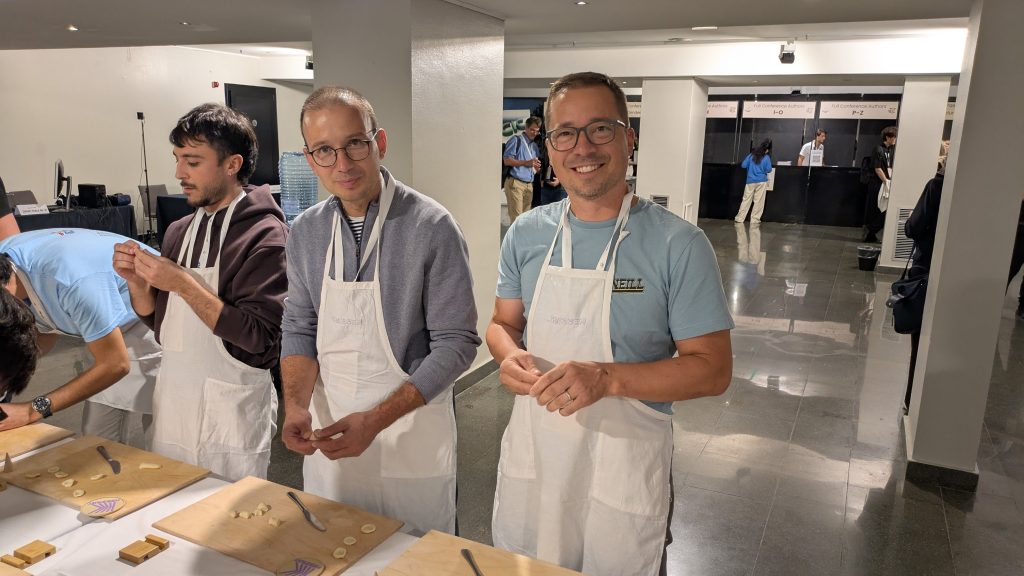
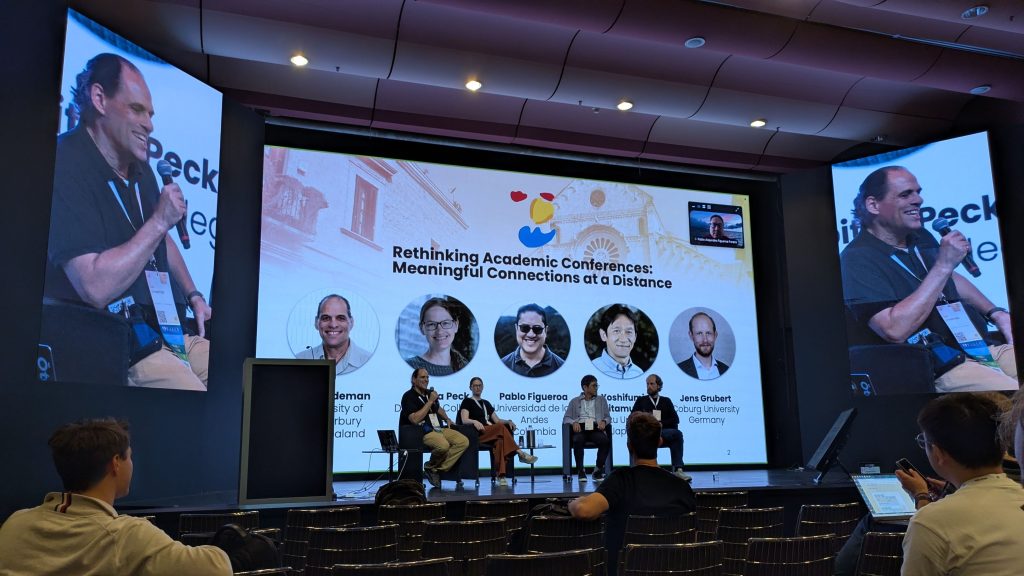
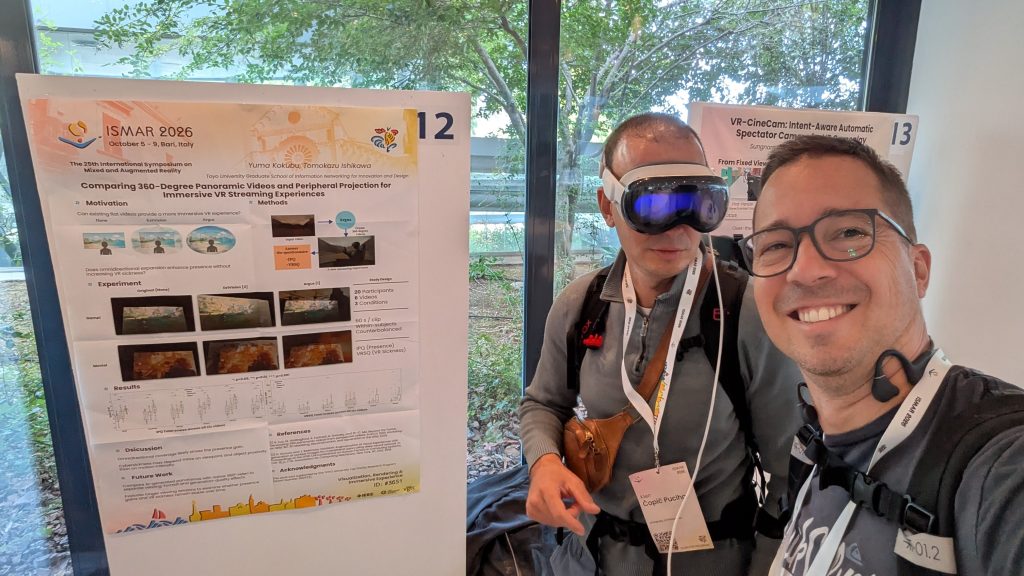
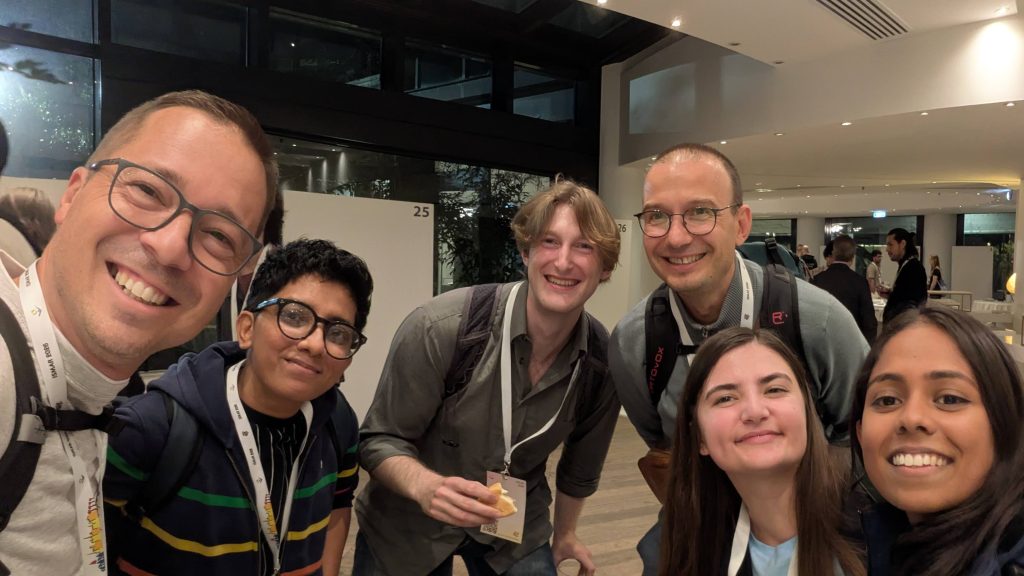
Here are a few more moments from ISMAR 2026:
Follow HICUP Lab in its official channels for more updates:
For feedback regarding our media content, you may contact our Social media and web manager.